Doing beauty at home usually saves real money. That is the whole reason this site exists. But a handful of moves marketed as the thrifty choice cost more, either because the cheap thing does not work or because it damages the thing you were trying to maintain. These are the seven we see trip people up most.
1. The cheapest drop-shipped IPL device
A $40 no-name IPL handset looks like a bargain next to a $300 one, until it does nothing. In our at-home IPL review digest an esthetician is blunt that many cheap units are junk, while the devices that reduce hair are the established ones. A device that does not work is not cheap, it is a total loss. Price the real thing against a clinic course in the IPL vs laser calculator.
2. Buying the newest model when last year's wins
Newer is not always the upgrade the launch says it is. In our Dyson Airwrap digest, a long-time user argues the cheaper previous version gets you nearly all of the result for about $100 less. On fine or straight hair especially, paying for the newest generation can be spending more to get the same blowout.
3. “Natural” whitening strips and LED mouthpiece kits
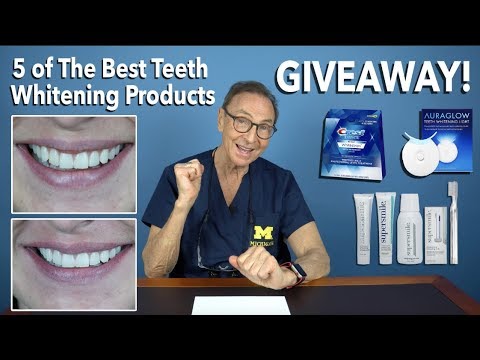
The dentists and the hygienist in our teeth whitening digest agree on what does not work: coconut-and-charcoal “natural” strips and generic LED mouthpieces showed no real change in testing. Only peroxide does the whitening. Money spent on the gimmick is money that could have gone toward the thing that works. Cost comparison only, not dental advice.
4. Skimping on gel prep, then redoing it
The consensus across our at-home gel manicure digest is that prep and cure make the manicure. Rush them and it lifts or peels in days. A gel set that fails in three days is not cheaper than one that lasts three weeks; it is the same product cost for a fraction of the wear. The savings are real only if the manicure lasts.
5. Cartridge-locked and flash-limited devices
Two devices with the same sticker price are not the same price. Some IPL units are rated for a fixed number of flashes; some micro-needling and dermaplaning tools need refills on a schedule. A corded, unlimited-flash device can be the cheaper buy over a few years even if it costs more up front. Always fold the running cost in. That is what the pay-for-itself framework checks.
6. Peeling off gel or dip to save a removal
Picking gel or dip off instead of soaking it removes a layer of your natural nail with it. The “saved” ten minutes shows up later as thin, weak nails that need months to recover, and a recovery routine of their own. Proper soak-off is the cheap option once you count the damage.
7. Skipping the wedding makeup trial
Cutting the $100 to $200 trial to save on a one-day event is the classic false economy: the trial is the only time you find out the look photographs badly or the foundation slides, before it matters permanently. On a day you cannot redo, the trial is insurance, not an extra. See where the whole bridal budget really goes in the wedding makeup calculator.