Review digest
LED Face Mask Reviews: Do They Work? Dermatologists and Long-Term Users Weigh In
At-home LED masks are one of the few skincare gadgets dermatologists back with studies, but they are also a ~$400 purchase, so 'do they work?' matters. We pulled two dermatologists and three people who used a mask for months or years. The evidence is solid and consistent use helps, though it is a slow build rather than a face-lift, and whether a mask beats paying for clinic LED facials is a cost question. Cost comparison only, not medical advice; a couple of the reviewers disclose brand affiliations, noted below.
Reviews are summarized and linked; each verdict is the creator's own. We are not affiliated with these channels.
The reviewers
What each one concluded
 20:57
20:572M views
Two dermatologists call at-home LED the most evidence-backed at-home device, with studies showing more collagen and fewer wrinkles, even if in-office lasers still outperform it.
“Low risk, high efficacy treatment.”
They put the price around $400, similar to microcurrent tools but with far better peer-reviewed backing, and caution that blue light can worsen melasma or pigmentation.
Watch the verdict at 20:57 on YouTube 10:11
10:11203K views
A dermatologist says correctly-dosed red and near-infrared masks have solid research and help, but they are no magic bullet and most multi-color 'bells and whistles' are for show.
“They're not a magic bullet by any means, but they definitely can help.”
She says LED can rival benzoyl peroxide for mild-to-moderate acne, but only with consistent use, and again flags blue light as a melasma risk.
Watch the verdict at 10:11 on YouTube 6:50
6:50692K views
After three months of consistent use she reports firmer, less crepey skin and visibly softer fine lines, and says she will keep using it.
“The quality of my skin is so much better.”
She started seeing a difference around six weeks, but is honest that it did not erase the deep lines she has had for years: improvement, not a reset.
Watch the verdict at 6:50 on YouTube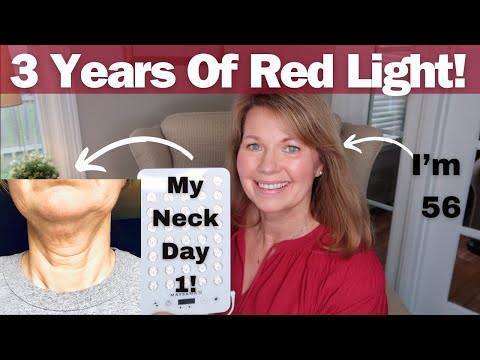 2:21
2:21268K views
Three years in, a 56-year-old calls red light her favorite at-home anti-aging tool because it works and is effortless, crediting it for a dramatically improved neck.
“It truly works and it is so easy.”
She saw the biggest gains in the first six months, and now only needs three to four sessions a week to maintain the results.
Watch the verdict at 2:21 on YouTube 4:31
4:315K views
A pharmacist's 30-day test: the anti-aging effect was visible in the mirror, with smoother forehead wrinkles she noticed without any before-and-after trickery.
“For me personally, the effect is visible.”
She saw smoother forehead lines after about ten days, but the silicone mask broke her out until she started wiping it with alcohol before each use.
Watch the verdict at 4:31 on YouTubeWhere they agree
- +The evidence is solid: dermatologists cite studies showing red and near-infrared light builds collagen and softens fine lines.
- +It is a slow build: most people notice a difference around four to six weeks of consistent use.
- +It is low-risk and easy, which is why long-term users keep at it.
- +It won't erase deep lines or replace an in-office laser: expect improvement, not transformation.
Where they split
- /How much premium masks add: some value more wavelengths and a better fit; a dermatologist calls the extra colors largely for show.
- /Blue light helps acne but can worsen melasma or pigmentation, worth knowing before you buy a multi-color mask.
- /Whether a ~$400 mask is worth it comes down to how many clinic LED facials it replaces.
Our take
The reviewers agree LED masks work with consistent use, so the question is money: a good mask runs around $400, and whether that beats clinic LED facials depends on how often you would book them. The calculator does that math: enter a facial price and your frequency and see how fast a mask pays for itself. Cost comparison only, not medical advice.
We may earn a commission from these links, at no cost to you. Prices vary by retailer.
Go deeper
Related guides
- How to Tell If a Beauty Device Will Pay for ItselfAn honest framework for deciding whether a beauty tool (a Dyson Airwrap, an IPL device, an LED mask) is worth buying: break-even, cost per use, the running costs the ads skip, and the one variable that decides it.
- At-Home vs the Pros: What's Worth Switching (and What Isn't)Whether you can do a treatment at home has three honest answers, not one. We sort every treatment we cost out into switch-confidently, switch-with-eyes-open, and keep-the-pro, based on the reviews and the money.
- The Beauty Cost Cheat-Sheet: Break-Even in One Line EachThe fast version of every calculator on the site: one line each for the most common at-home switches, showing roughly how quickly the money comes back. Tap any row to run the full math.
- At-Home Skin Devices, Costed: LED, Microneedling and DermaplaningAt-home skin devices raise two questions: does the home version do enough, and does the price beat the pro? We answer the cost side, with the evidence pointing to our sources. Cost comparison only, not medical advice.
- Beauty Device Sales: When a Discount Changes the MathA percentage off a Dyson Airwrap or IPL handset only matters if it moves the break-even point. How to judge a device sale by payback and running costs, not the size of the markdown.
Related reading
Related articles
- Are LED Face Masks Worth It? A 2026 Cost BreakdownWhether an LED face mask is worth it comes down to how often you'd pay for clinic LED facials. The break-even math (cost only).
- CurrentBody vs Omnilux vs Budget LED Masks: Cost ComparedPremium ($380-$395) vs budget ($69-$169) LED face masks, compared on price and cost of ownership against clinic facials.
- How Long Do LED Face Masks Last? Lifespan, Battery and WarrantyLED face masks typically last 3-5 years; the battery and wiring fail before the LEDs. How lifespan and warranty shape your true cost per session.
- LED Face Mask vs Red Light Therapy Bed: Which Is Cheaper?An at-home LED face mask undercuts spa red light bed sessions and home beds on cost. The full comparison, break-even math and where each one wins.
Keep reading
More review digests
 6 reviews
 4 reviews
 5 reviews
 6 reviews