At-home skin devices are the category where “is it worth it?” is two questions stacked together: does the home version do enough, and does the price beat paying a professional. We answer only the second (this is a cost comparison, not medical advice), but the first shapes it, so here is how the money lands for LED masks, microneedling and dermaplaning, with the evidence pointing to our sources.
LED masks: strong evidence, slow payoff
Of the three, at-home LED has the most support behind it: dermatology and peer-reviewed sources on our sources page back red and near-infrared light for collagen with a favorable safety profile, though at-home devices are milder than in-office. On cost that makes it clean: a mask runs around $400 once, so the question is how many clinic LED facials it replaces. The dermatologists and long-term users in our LED mask review digest agree it works with consistency, and the LED mask calculator shows the break-even.
Microneedling: the biggest gap between home and pro
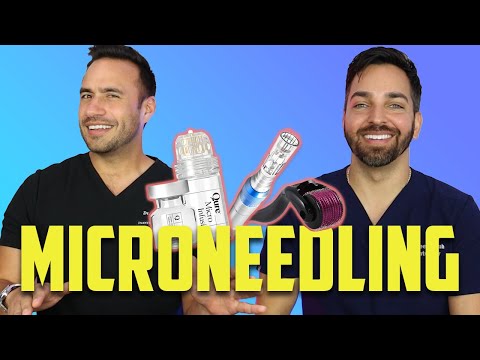
Here the at-home and professional versions are least alike. At-home devices stay shallow by design; the deeper work that drives the strongest results belongs in-office, and our sources note real infection and scarring risks from home use done wrong. The cost comparison is honest only if you match like with like: for glow and texture an at-home device is the budget play, while deep scarring is where the pros earn their price. The dermatologist-heavy microneedling review digest lays out that split, and the microneedling calculator does the dollars. Cost comparison only, not medical advice.
Dermaplaning: simplest to switch
Dermaplaning is the most straightforward of the three to bring home. The professional version uses a scalpel-style blade and reaches deeper, but at-home tools handle the light, surface-level version well, and the dermaplaning calculator shows a device and refills paying off against salon sessions quickly. The main caveats are about skin condition, not cost, which our sources cover.