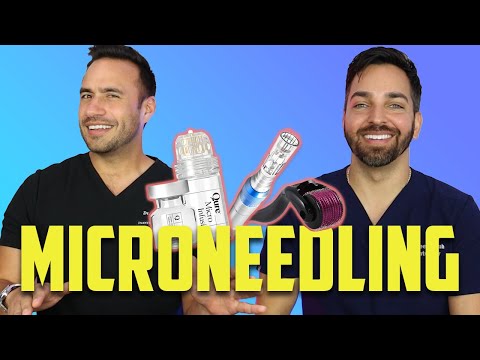
On a pure cost basis, an at-home microneedling setup is worth it for people who plan to keep treating for at least a year, and it stops making financial sense for anyone chasing the deeper results a professional device delivers in a handful of visits. The break-even is not about the sticker price of the device. It is about how many sessions you realistically do before you lose interest, because the whole savings story depends on spreading a one-time purchase across many treatments.
The number that decides it
A capable at-home derma pen plus a year of cartridges, numbing cream, and aftercare typically lands in the low hundreds of dollars for the first year. A single professional session usually costs several times that, and clinicians recommend a series rather than a one-off. So the moment your at-home plan crosses two or three sessions, the per-session math already tilts toward the device. Plug your own numbers into the at-home vs professional microneedling calculator to see where your personal line sits.
When the device is clearly the cheaper path
- You want frequent, ongoing maintenance (say, every two to four weeks) rather than a fixed short course.
- You are comfortable buying single-use cartridges and following a simple hygiene routine, so the recurring cost stays low.
- You would otherwise pay for repeat clinic visits year after year, where the gap compounds fast.
When it is a false economy
The at-home savings evaporate if you buy the device, use it three times, and abandon it. At that point you paid a premium per session for a tool gathering dust. It is also the wrong comparison if your goal requires medical-depth needling: consumer devices use shorter needles than a clinic, so the treatment itself is different and gentler, not simply a cheaper version of the same procedure. The honest framing is cost-per-use of a routine you will keep, which is the same logic behind our guide on whether a beauty device pays for itself.
Do the recurring math, not just the device price
Most people underestimate the ongoing spend. Cartridges, numbing cream, and serums are the part that keeps billing you, and over a year they can rival the device itself. Before you decide, read the breakdown of what microneedling consumables actually cost per year so your worth-it verdict is built on the full picture rather than the headline device price. If you keep treating and keep the consumables modest, at-home wins on cost. If you are a few-sessions-and-done person, pay per visit and skip the purchase.